

toughened glass roof panels
Understanding Metal Ground Anchors Essential Tools for Stability and Security Metal ground anchors, often referred to as earth anchors or tie-downs, are vital components in ensuring the stability and security of various structures and installations. They are widely used in construction, agriculture, and outdoor recreational activities to provide essential support against wind forces, soil erosion, and other environmental challenges. One of the primary purposes of metal ground anchors is to hold structures securely in place. In construction, they are critical for anchoring temporary structures, scaffolding, and heavy equipment. For instance, when erecting a tent for a festival or event, metal anchors can provide the necessary stability to withstand strong winds and adverse weather conditions. This prevents tents from being uprooted or damaged, ensuring the safety of both the structure and the individuals attending the event. In agricultural settings, metal ground anchors are instrumental in securing fencing and other installations . Farmers often use them to stabilize livestock enclosures, protecting animals from escaping or external threats. Additionally, these anchors are beneficial for attaching tarps or coverings for crops, helping to shield plants from harsh weather and securing them against theft. metal ground anchors The design and material of metal ground anchors vary widely, depending on their intended use. Common materials include steel and galvanized steel, known for their durability and resistance to rust and corrosion. Some anchors are designed with a helical shape, allowing for easy installation by screwing them into the ground, while others might require a more traditional installation method, such as driving them into the soil. Installation is a critical aspect of using metal ground anchors. Proper placement and depth will significantly influence their effectiveness. It is essential to assess the soil condition and environmental factors before installation. For loose or sandy soil, deeper anchoring may be necessary, while more compact soil types may require less depth. In conclusion, metal ground anchors are indispensable tools that provide stability and security across many applications. Whether in construction, agriculture, or outdoor events, their proper usage ensures the longevity and safety of various structures. Understanding their importance and best practices for installation can help maximize their effectiveness, making them a worthwhile investment for anyone looking to secure their property against unpredictable elements.
about
toughened glass roof panels
Grounding a Welding Table Ensuring Safety and Efficiency Welding is a crucial process in various industries, from construction to manufacturing. However, it comes with inherent risks, particularly related to electrical hazards. One of the most effective ways to mitigate these risks is by properly grounding a welding table. This article will explore the importance of grounding a welding table, the methods to achieve it, and the benefits that follow. Importance of Grounding Grounding a welding table is vital for a number of reasons. Primarily, it protects the welder from electrical shock. Welding involves high voltages that can be dangerous without proper safety measures. If a welder accidentally touches a live wire or an electrically charged component, grounding ensures that the electrical current has a safe path to the ground, reducing the risk of serious injury. Moreover, effective grounding helps prevent equipment damage. An ungrounded welding table can lead to electrical surges that might damage the welder or other electronic devices in the vicinity. By establishing a reliable grounding system, businesses can save on repair and replacement costs. Additionally, grounding improves the quality of the welded product. Electrical disturbances can create inconsistencies in the welding arc, leading to weak joints and subpar finishes. Grounding the table minimizes these disturbances, resulting in a cleaner and more efficient welding process. Methods to Ground a Welding Table Grounding a welding table involves a few straightforward steps. First, one must determine the grounding needs of the workspace and select appropriate materials. Generally, metal welding tables are grounded using a copper or aluminum grounding wire. 1. Prepare the Welding Table Ensure that the welding table is clean and free from rust or paint in the area where the ground connection will be made . This is crucial for an effective electrical connection. grounding a welding table 2. Choose the Right Grounding Method - Direct Grounding This involves connecting a grounding wire directly from the welding table to a grounding rod that is securely driven into the earth. This method is straightforward and highly effective. - Electrical System Grounding In some facilities, welding tables can be grounded via the building's electrical system. This requires connecting the table to an appropriate grounding terminal on an electrical panel. 3. Connect the Grounding Wire Use appropriate connectors to attach the grounding wire to the welding table. Bolts or clamps made of conductive material should be used to ensure a strong bond. 4. Test the Grounding Connection After installation, it’s important to test the grounding system. A multimeter can be used to check the continuity of the grounding wire and verify that it has a low resistance connection to the ground. Benefits of Proper Grounding The benefits of grounding a welding table extend beyond safety. First and foremost, it enhances the overall safety of the workplace. The reduction of electrical hazards creates a more secure environment for workers, which can improve morale and productivity. Additionally, grounding contributes to higher quality welds. With a stable ground connection, welders can achieve more consistent arcs and better penetration, leading to stronger joints. This not only enhances product quality but also reduces rework and scrap, ultimately improving efficiency. Improved equipment longevity is another significant benefit. Proper grounding can greatly reduce the wear and tear on welding equipment, ensuring that tools and machines last longer and function at their best. Conclusion In conclusion, grounding a welding table is an essential practice that ensures safety, improves efficiency, and enhances the quality of welds. By understanding the importance of grounding and implementing effective grounding methods, welders and organizations can protect both their employees and their equipment. Regular maintenance and testing of grounding systems are also crucial to ensure ongoing safety and effectiveness in the welding process. In a profession where safety is paramount, a well-grounded welding table is not just an option; it is a necessity.
-

High quality industrial productsagement

High quality industrial products
View Details -

Meet the diverse needs of customers

Meet the diverse needs of customers
View Details -

Strict quality control

Strict quality control
View Details -

Top raw materials

Top raw materials
View Details -

Trusted supplier

Trusted supplier
View Details
Our application


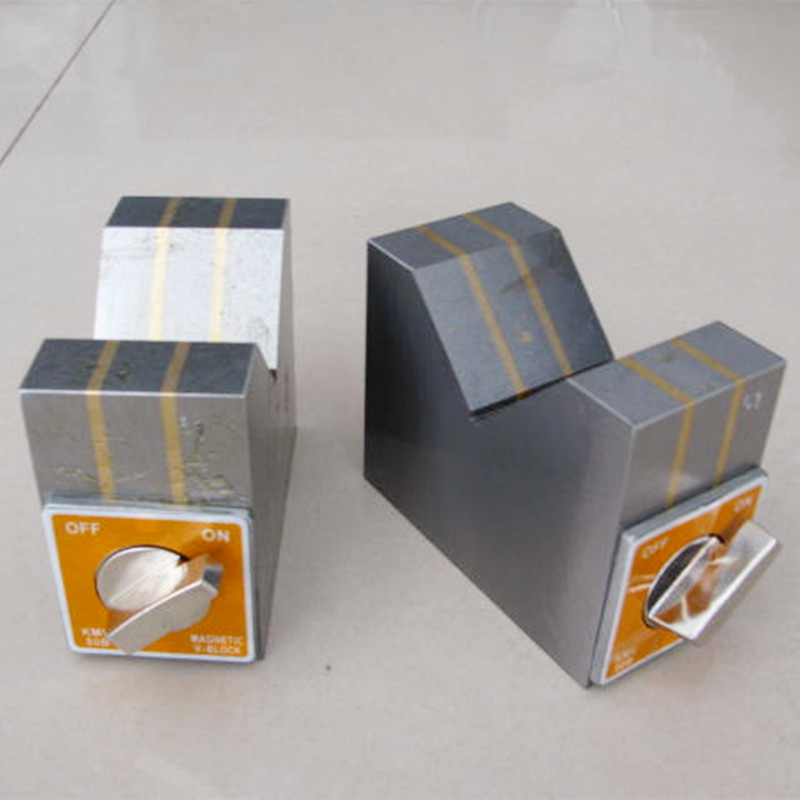

news and information
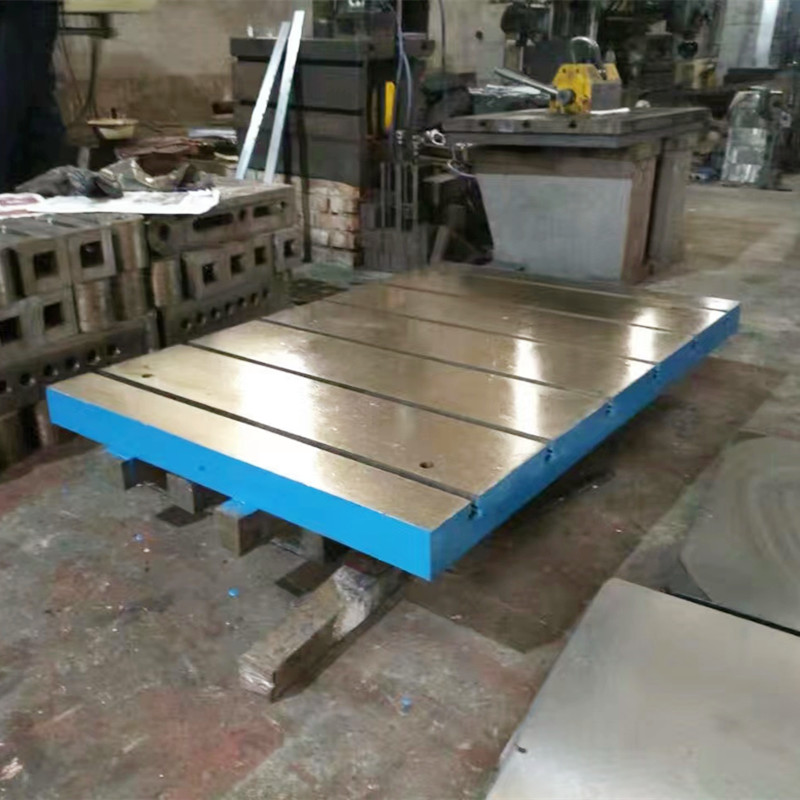
welding table china
The Rise of Welding Tables in China A Comprehensive Overview Welding tables play a crucial role in v
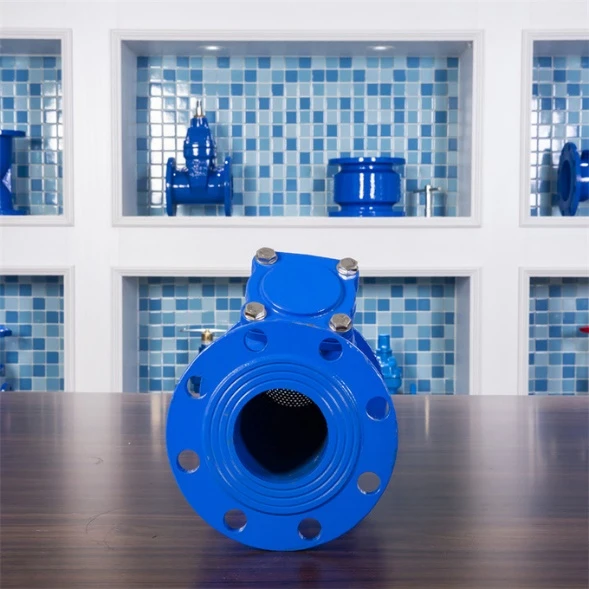
Wholesale Solutions for Valve Supply and Distribution in Various Industries
Understanding Valve Wholesale A Comprehensive Overview In the industrial world, valves play a crucia
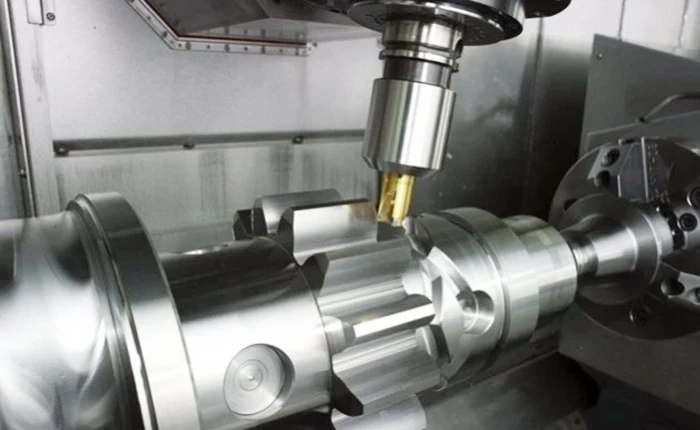
Welding and Fabrication Techniques for Efficient Metal Assembly and Construction
Understanding the Welding Fabrication Table A Comprehensive Overview Welding fabrication tables play
 English